

People typically fall into one of two camps. They either 1) build the world to tell the story or 2) tell a story to build a world.
To get another pair of eyes on my YA Fantasy and improve my writing craft, this fall I am taking the Highlights Foundation’s Whole Novel Workshop. The course covers the genres Sci-Fi, Fantasy, and Horror. Each week is a lecture on a different topic, from genre to world-building to character arcs. At the end of the workshop, I will discuss my manuscript with one of the instructors.
During the second week of the course, Intisar Khanani gave a lecture on building diverse worlds. I have read a lot of craft books about world-building, but for some reason, nothing ever really clicked. However, after her class, world-building finally made sense, and I learned so many things I wish I’d known earlier. How she broke down the process of building a world helped me understand my process and made me feel better about it.
2 Main Approaches to World Building
People typically fall into one of two camps. They either 1) build the world to tell the story or 2) tell a story to build a world.
Someone who builds the world to tell the story plans their world out before they write the story. They make more conscious decisions about the world, so depending on how the world is designed, a story can spring forth. This process takes more time up front before the writing begins. They’re a bit more like plotters, carefully and methodically constructing the outline before writing.
Someone who tells a story to build a world is a discovery writer. They create as they go. They’re a bit more like pantsers who fly by the seat of their pants as they write.
The latter is the camp that I fall into. I wrote my story and have had to go back multiple times, layering in details about my fantasy world. For example, it took a few drafts until I knew how my society was structured. Then I added descriptions about clothes, geography, language, food, fauna, religion, etc.
For a while, I didn’t feel like a fantasy writer because I didn’t have a world bible—a comprehensive document that organizes the world’s details. Early on, when someone asked specific questions about my world, like what clothing do they wear, I didn’t have answers. It took a long time to figure out all the details as I went back and made decisions.
Building a World
Breaking down how to build a world into two main areas—the physical world and the social world—helped me realize what I have and haven’t included in my world.
1. Physical World
The physical world consists of the natural and the human-made world. Things to consider for the natural world include geography, weather, flora, fauna, etc. Things to think about in the human-made world include transportation, technology, clothing, the economy, housing, architecture, etc.
For example, based on the climate, can people in this world eat rice or food made with oats and wheat? I have the characters eating all of the above, so I’m rethinking this!
2. Social World
The social world comprises religion, skin color, culture, language, economic status, ability, gender, family structure, body type, and more.
If my world is missing something from the above list, why? What are the ramifications of not including it? The world I build highlights who is real and who matters. Even if it isn’t my main character, can secondary and background characters be more inclusive and diverse? Seeing all the different types of people humanizes them and allows them to see themselves in my world.
I’m still checking whether I’ve incorporated all aspects of the physical and social worlds, because the author should know more about their world than what’s included in the story.
Do No Harm
As I make decisions about my world, it’s important to keep the guiding principle—when in doubt, do no harm—in the back of my mind. To check whether something is or isn’t doing harm, I can ask myself these two questions: why am I doing this, and what is the effect?
For example, in my manuscript, each group wears a specific colored cloak. Why would people agree to wear one color for the rest of their lives? This would never happen in real life.
So, I asked myself: why am I doing this? I have a lot of characters. I want people from each group to be easily identifiable.
And what is the effect? Although it might be a little trivial, it doesn’t really have an effect. In this particular instance, I’m not doing harm, but I might have other assumptions in my story that need to be looked at to ensure they aren’t doing harm.
Book Talk
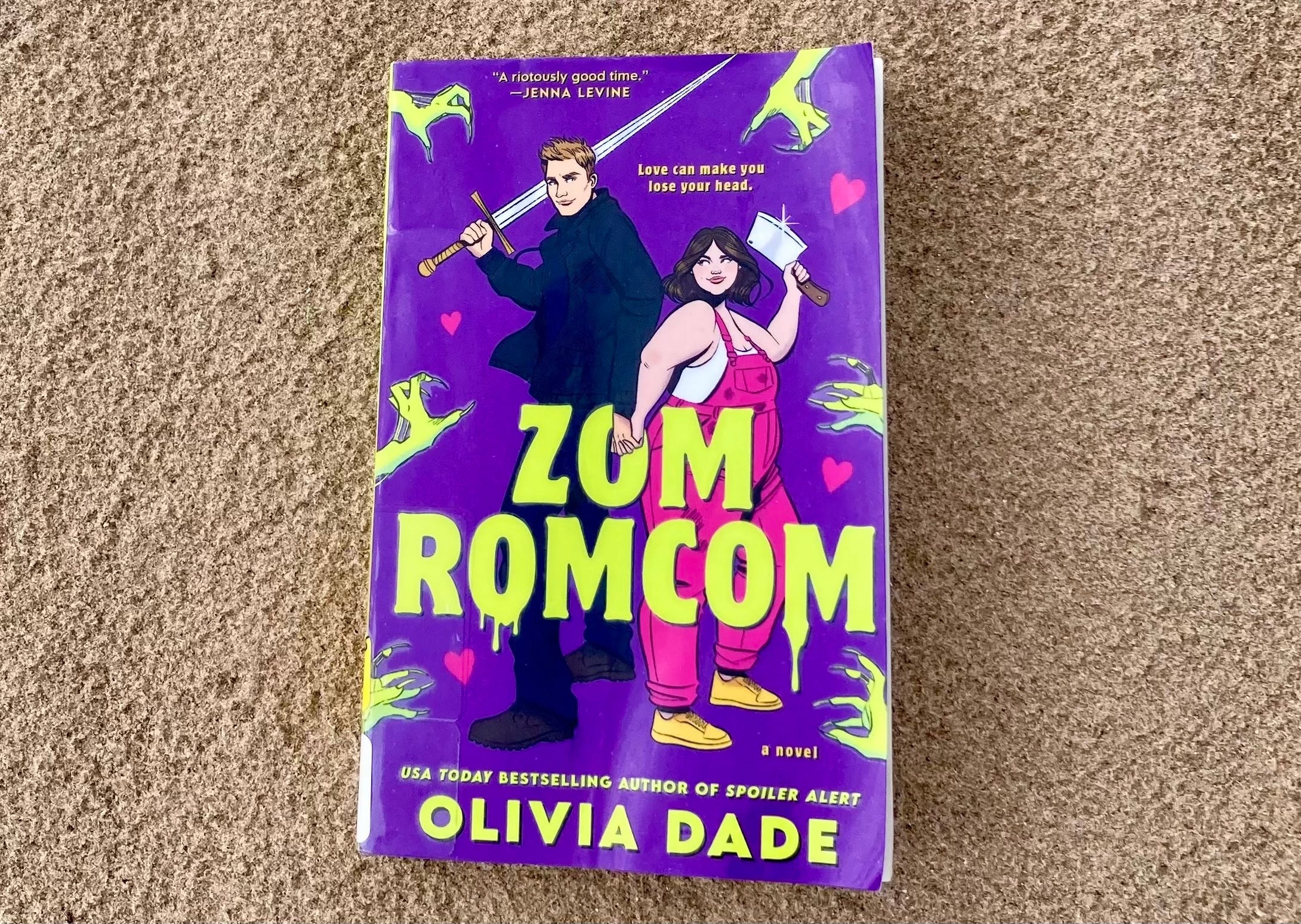
Zomromcom by Olivia Dade is so much fun. I typically dislike anything zombie-related because I get nightmares. I watched one episode of The Walking Dead, and I’ll forever be terrified of a zombie apocalypse. However, this book did not give me nightmares. I kinda loved it and couldn’t stop reading it.
The story starts with the protagonist, Edie, attacking a zombie with a burrito because that’s the only weapon she has available to save her neighbor, Chad, who turns out to be a super hot, bethonged vampire. They’re both famous YouTubers in this post-apocalyptic world, who have to warn their community that the zombies have escaped again. It’s wild and hilarious.
Conclusion
At the end of October, an instructor will begin reading my manuscript. I printed it off for a final read through, so I’m just about done with this draft. While the instructor reads it, I’ll be reflecting on what I still need to add to my world.
But the moral of the story is, don’t let world-building overwhelm you, especially if you fall into the camp of telling a story first and building a world later. Getting words on the pages is always the most important thing, and you can always go back and add or delete stuff like me. Happy world-building!
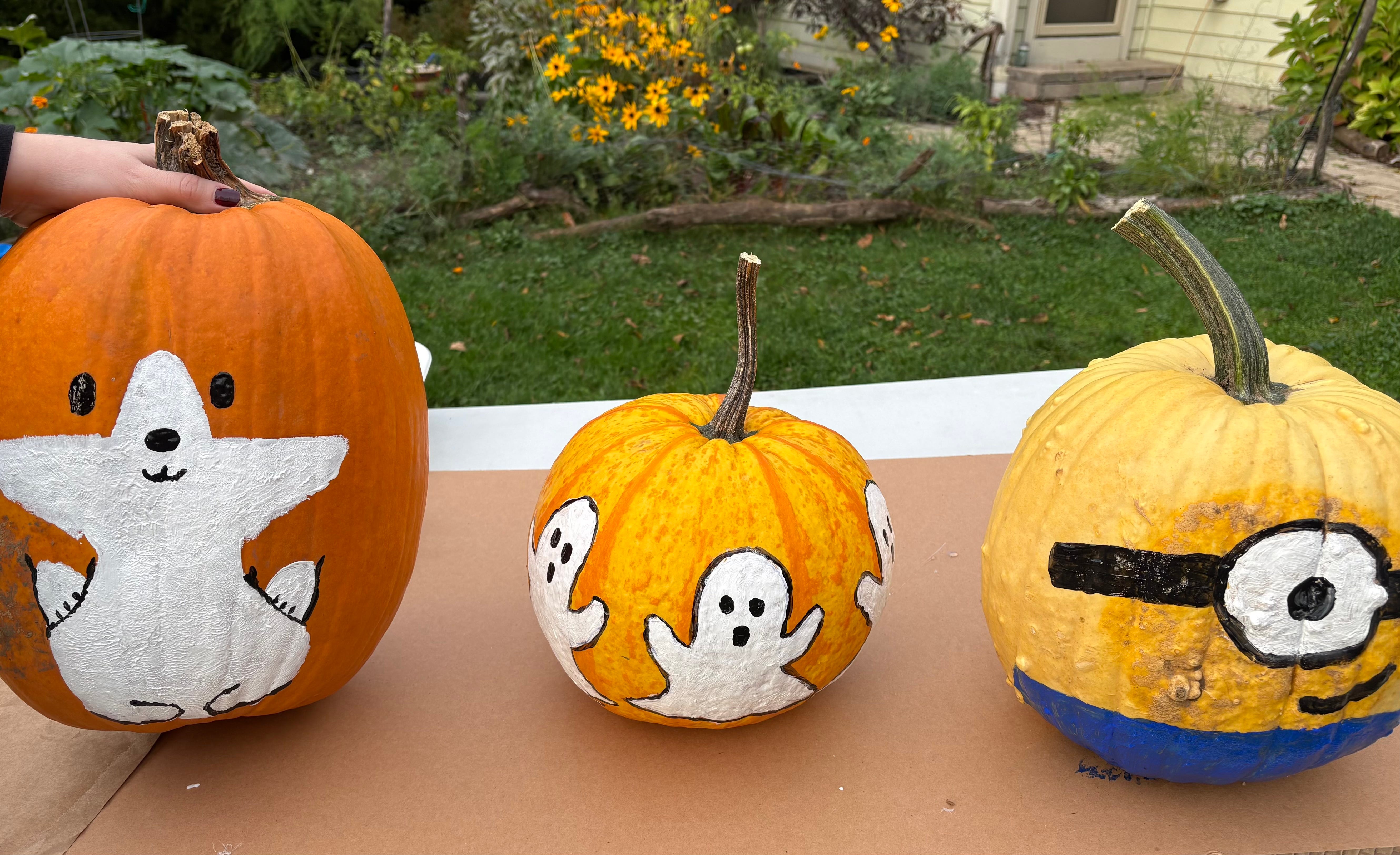
Sending you spooky season vibes,
Liza