

Christmas came early this year! I received feedback on my YA (Young Adult) fantasy novel. What more could a girl want?!
I submitted my manuscript at the end of October for feedback as a part of the Highlights Foundation’s Whole Novel Workshop. This isn’t the first time that I’ve received a developmental edit. (I’ll go into all that I’ve done for this book in another post). Each time I get feedback, I approach it as an opportunity to uplevel my writing.
This time is no different. I’m being asked to do things I haven’t been able to do before, which is scary. But I’m excited for the challenge.
Initial Reaction

The second I got the email, I printed the editorial letter and read it.
I was disappointed because I got feedback on two things I thought I’d fixed—one of my protagonist’s character arcs and the pace. It was kinda comical because I’d just written a different Substack post about character arc and used that protagonist as an example. Needless to say, I’m rescheduling that article until I’ve resolved the issues with her character arc. Who doesn’t love being served a pie of humble pie?
On top of that, I was given the challenge to delete 15k words. I’d already slashed 20k for this draft, which I thought was miraculous, and I was supposed to slash another 15k. “Unmöglich,” as the German saying goes.
So I did what I always do when I need to process something: I went for a walk. Mid-walk, I caught my mind spiraling into doom and gloom. While I agreed with the suggestions, I feared how long it might take to implement them. My goal was to query my manuscript in the Spring of 2026.
However, I realized that I won’t know when I’ll be done until I’ve done the work. So that’s what I did. I told myself I could do it, and I got back to work.
Making a Road Map from Feedback
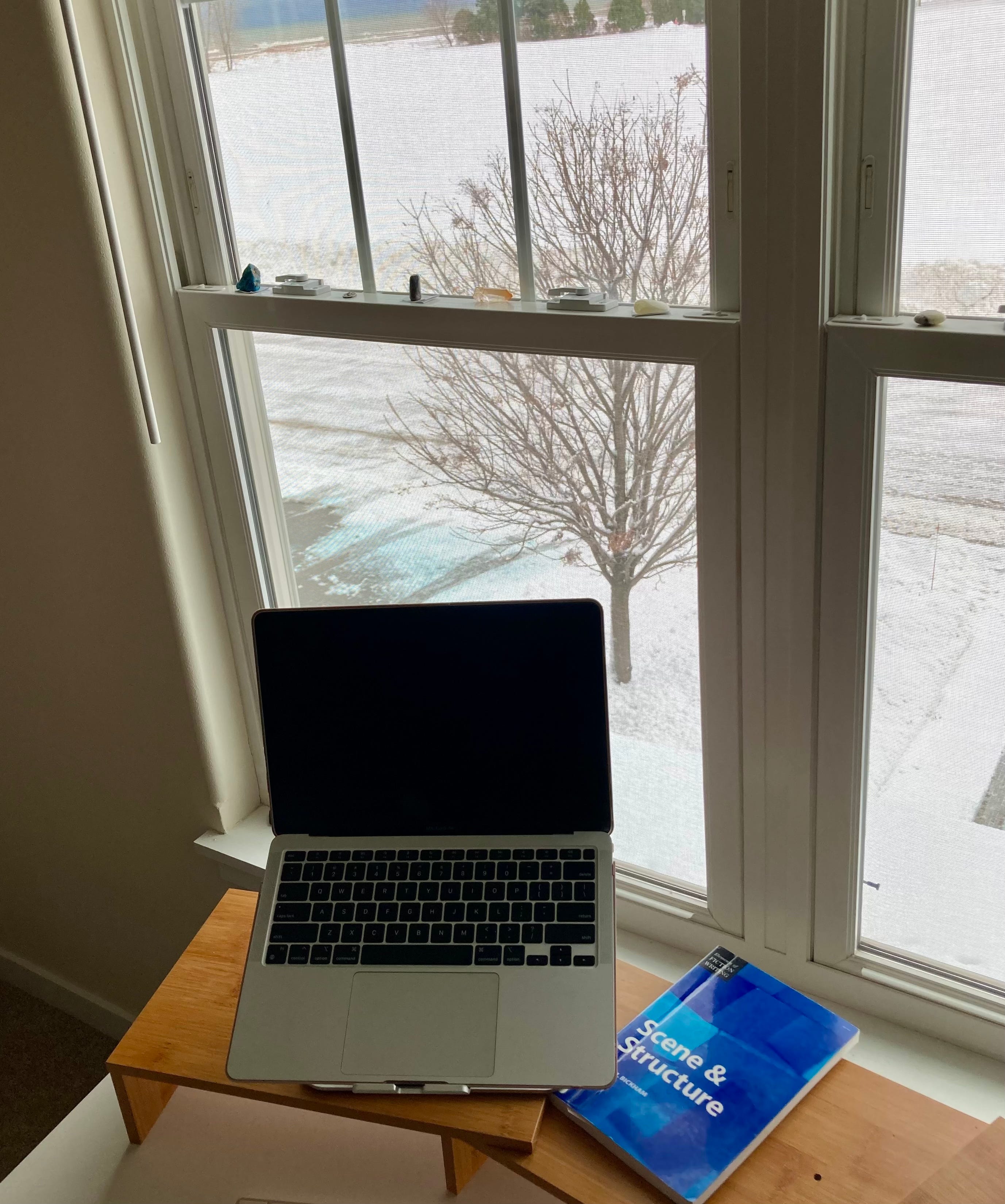
I took some time thinking about the big picture of my story. These are the steps that I took to create a revision plan.
Step 1: In the editorial letter, I highlighted everything I was doing well.
Instead of fixating on only what I’m doing wrong, I wanted to remind myself of all the good things I’m doing. While I’m working to improve some weaknesses in my writing, I can fall into the trap of thinking I’m a bad writer, which isn’t true. This activity reinforced that.
Step 2: I went through my manuscript’s chapters, thinking about what is core to my story. What must I keep and what can I delete?
Surprisingly, I came up with 22k words I was willing to delete to slow the pace and add emotion. This activity highlighted remnants of previous drafts that no longer fit this version of the story and helped me decide what is core to my story.
Step 3: For each chapter, I wrote down what I was deleting, keeping, and adding.
When I start revising, this will serve as a guideline for what I’m doing in each chapter and a checklist to go through before moving on to the next.
Step 4: Creating a list of the number of passes I want to do for this revision.
For example, I want to do a pass for my protagonist’s voice and character arc. I want to do another pass to slow down the pace by using the concept of scene and sequel from Jack M. Bickham’s Scene & Structure. I want to do another pass of just reading the story out loud. Other passes could focus on dialogue, crutch words, etc.
Revising
Now that I had a plan, all I needed to do was dig back into writing. Easy peasy. Wrong. I was feeling frustrated by the feedback, so I had a rage session, hitting a pillow with a baseball bat until I cried—yes, it’s a great activity to get some of the frustration out. I was surprised how, after wailing on a pillow, yelling, and crying, an idea for my first chapter emerged. The words started spilling out of me.
I have officially started revising. I wasn’t expecting to start so soon, but if things are flowing, I’m going to go with it. The rage session was a pretty fun experience, and I plan to do the same thing before I begin writing the next chapter.
Conclusion
After six weeks of waiting, it’s time to execute. This is often the hardest part, but it’s also the funnest. I’m excited to get back into my story and get lost in my world. I’m letting go of the timeline and can’t wait to see what 2026 has in store!
Book Talk
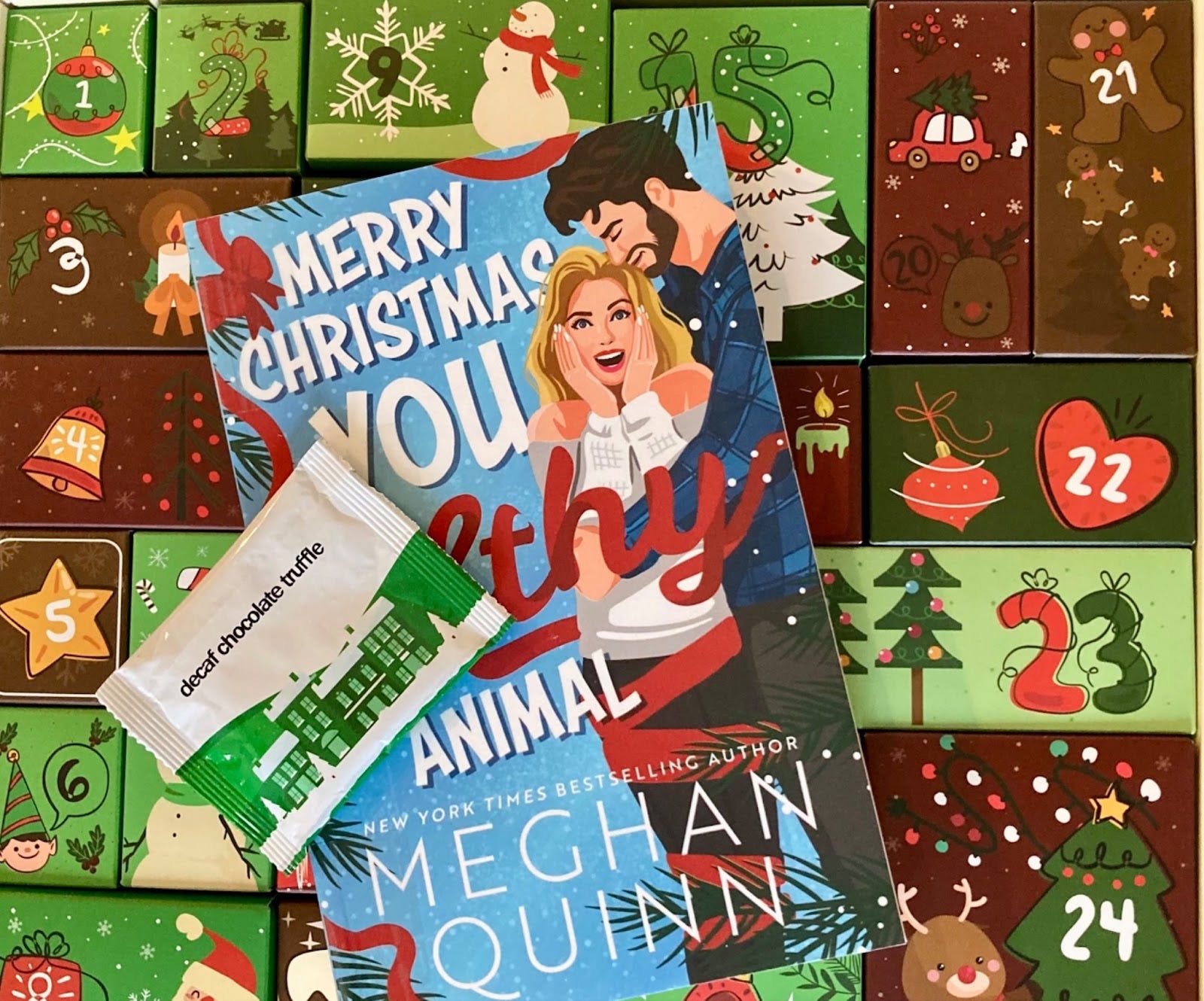
For the Let’s Get Cozy Book Club Podcast, we’re reading Merry Christmas, You Filthy Animal by Meghan Quinn. It’s hysterical. I haven’t read Meghan Quinn’s books before, and I’ve been missing out. I have never laughed out loud so much as I did during this story. Just thinking about it is making me giggle .
Max works at his parents’ Christmas tree farm, and Betty moves onto the property next to his. Her uncle wants her to start a rival Christmas tree farm to put Max and his family out of business. When Max finds this out, he creates a plan to make Betty fall in love with him, so she changes her mind about the project. In the process of wooing her, things do not turn out as Max expected.
I didn’t know that it was the second book in the series. How My Neighbor Stole Christmas is the first in the series. You don’t have to read them in order, but I want to read the first book now. If you’re looking for some spicy holiday cheer, feel free to read along with us and tune in to hear our discussion about it. Here’s a link to the podcast.
Sending you lots of holiday cheer,
Liza