

Happy New Year! In this article, I want to share my experiences attending two local book events, along with a few reflections on the benefits and downsides of traditional versus indie publishing.
I started the year by attending some in-person book clubs, which felt like a lovely way to kick things off. Having a book club podcast of my own, I figured it was time to try someone else’s.
The events were two nights in a row, and I almost didn’t attend the second book club because I was tired and it was a long drive. (One hour to be exact. Yes, I could have probably joined a closer book club. However, I think that Thirst Books and The Well Red Damsel are doing cool things.)
But I got the ping to go, and I’m so glad I did. I honestly had forgotten how much I love historical romance. And I got to meet the author of the book we read!
Because I arrived super early, I got to be a fly on the wall as two authors discussed publishing. One author was traditionally published with an agent, who was dipping her toe into the indie space, and the other was an indie author. As someone who’s about to query her manuscript, it was amazing to hear their experiences.
Traditional vs. Self-Publishing
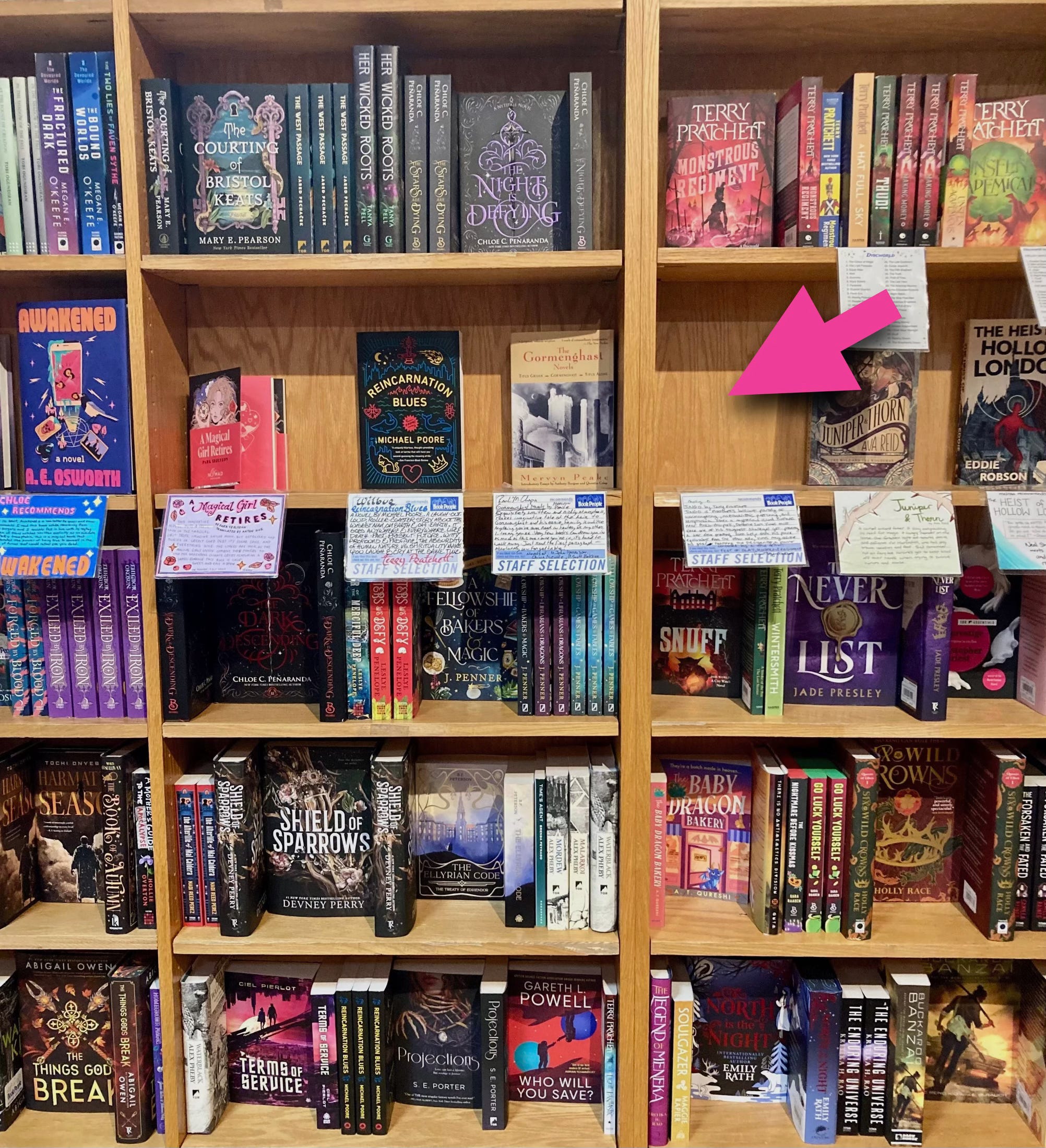
Benefits of Traditional Publishing:
Distribution. It’s easier to get into bookstores, libraries, and airports, and sell books internationally.
A team to help with cover design, editing, formatting, and printing. However, as an indie author, you can hire your own editor, cover designer, etc.
Downsides of Traditional Publishing:
It’s a myth that they help with marketing. Either route, the author has to do their own marketing and social media.
It’s slow. It can take years to get a book published.
The royalties are low, but you get an advance.
Benefits of Indie Publishing:
The royalties are higher. For example, one of the authors made more money in two months as an indie author when her book went viral on social media than she ever did from traditional book sales.
It’s fast. Once the manuscript is finished, getting it out in the world can take days or weeks. It’s entirely on the author’s timeline.
What I love is that indie-published books are more legit than ever. Many successful books are indie, like Fifty Shades of Grey. While Legends and Lattes or Game Changer started out as indie, they then became traditionally published. I feel less scared to go indie if that’s how things play out.
Downsides of Indie Publishing:
Upfront costs. You pay for everything out of pocket.
You do everything yourself, which can also be a benefit.
There is no built-in credibility, so it is harder to get into bookstores, libraries, and other outlets.
Why Do You Want to Be Traditionally Published?
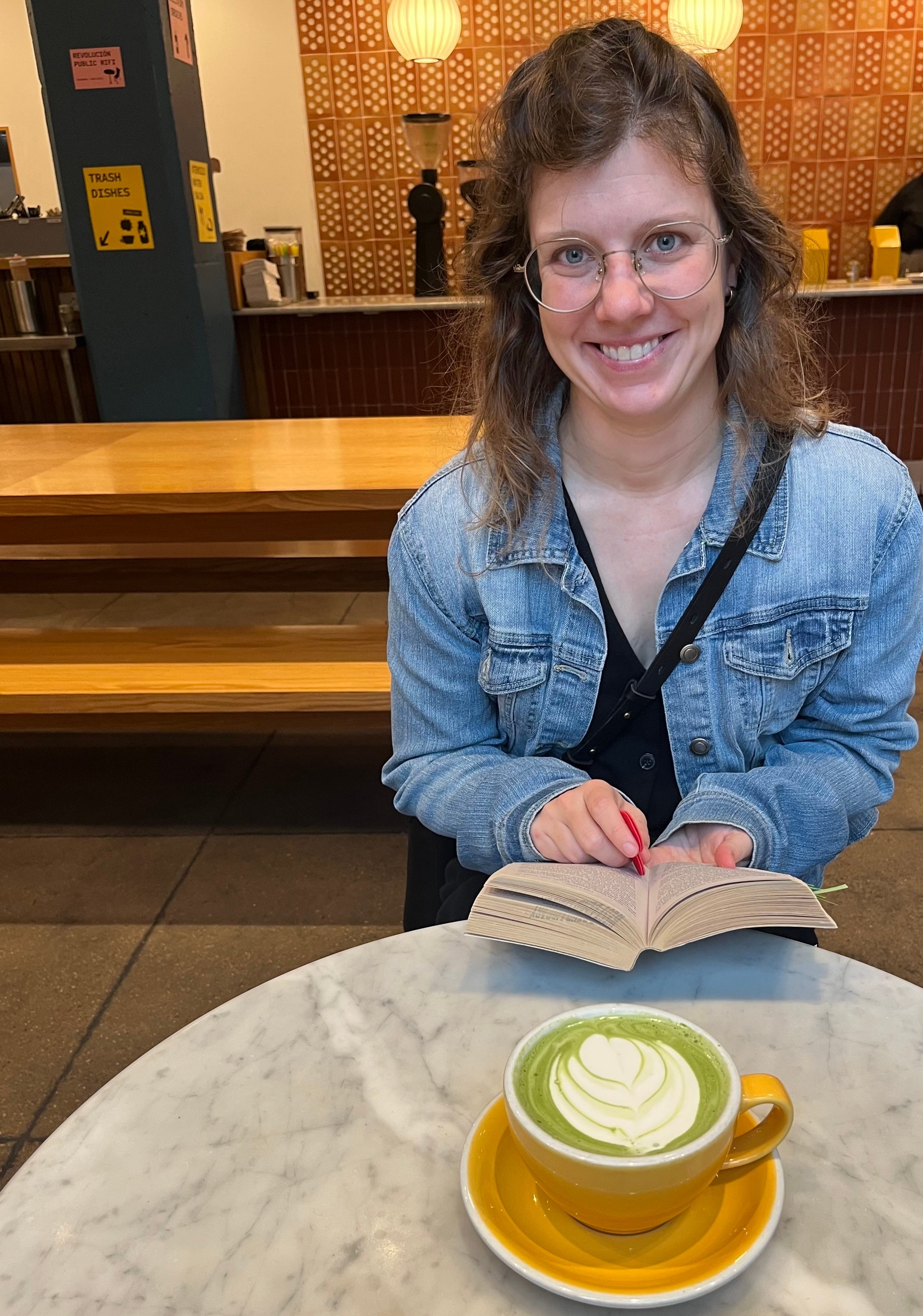
While I was listening, I was asked, “Why do I want to be traditionally published?” I didn’t have a profound answer.
Because I want to? That was the first thing that came to mind. The second thing was that I want to see what happens.
I don’t want to regret not trying because you never know. Plus, I’m not afraid of applying to things and getting rejected. I applied for a Fulbright three times and eventually got it!
Now that I have had some time to think about the question, the main reason is that I would love to have someone like an agent championing my work. Plus, a big dream of mine is to go on an international book tour. How cool would that be?!
Advice on How to Decide on an Agent
If I get “The Call,” which is when an agent calls because they want to offer me representation, the traditionally published author gave me some great advice.
Only sign if the vibes are good. Don’t say yes just because it’s an offer of representation if the fit isn’t good from the beginning. I want an agent who is obsessed with my writing and ideas. They have to passionately sell my work to publishers. If the agent is meh about it, publishers will be, too.
Book Talk
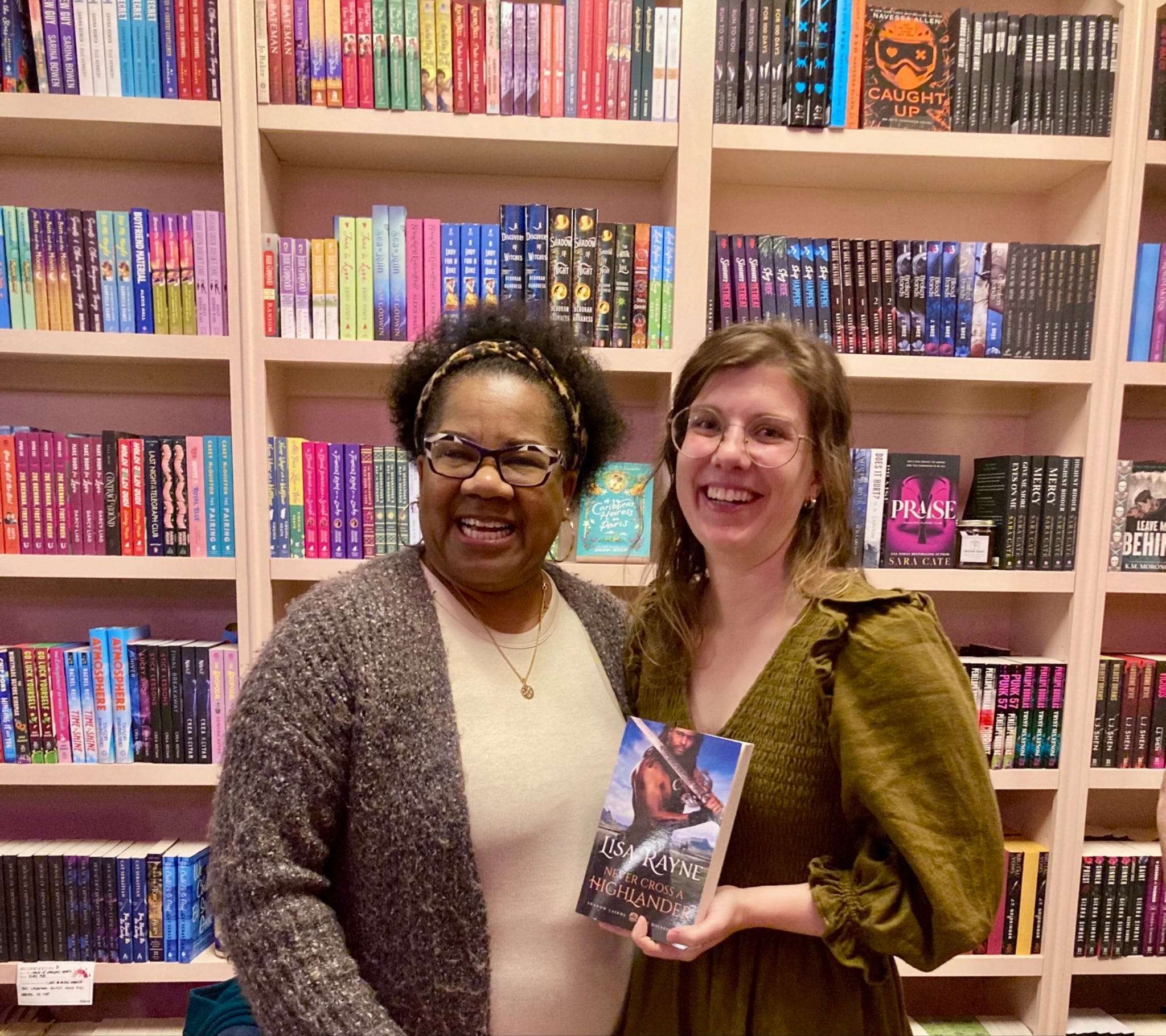
For a Historical Romance Book Club, I read Never Cross a Highlander by Lisa Rayne. I had never read a book about highlanders before, so it was “edutaining”. I learned about slavery in Scotland during the 17th century, during the reign of King James VI, and about the different Scottish Clans. For example, the protagonist Ailsa was born a Highlander to Connery Clan parents. However, three years ago, she was captured and forced into slavery as the princess’s maid. On the night of her escape, the Shepherd, aka Kallam, rescues her as he helps free the other slaves in the castle, and their lives become entangled. It’s a humorous, action-packed story with lots of twists and turns and a slow-burning romance. My favorite part is that Alisa is a warrior too. She just doesn’t know it yet.
Conclusion

I’m so glad I listened to the ping. I trusted that I should just attend the event, and it turned out better than I could have imagined. That’s my plan for 2026—listening to the pings.
Book Update
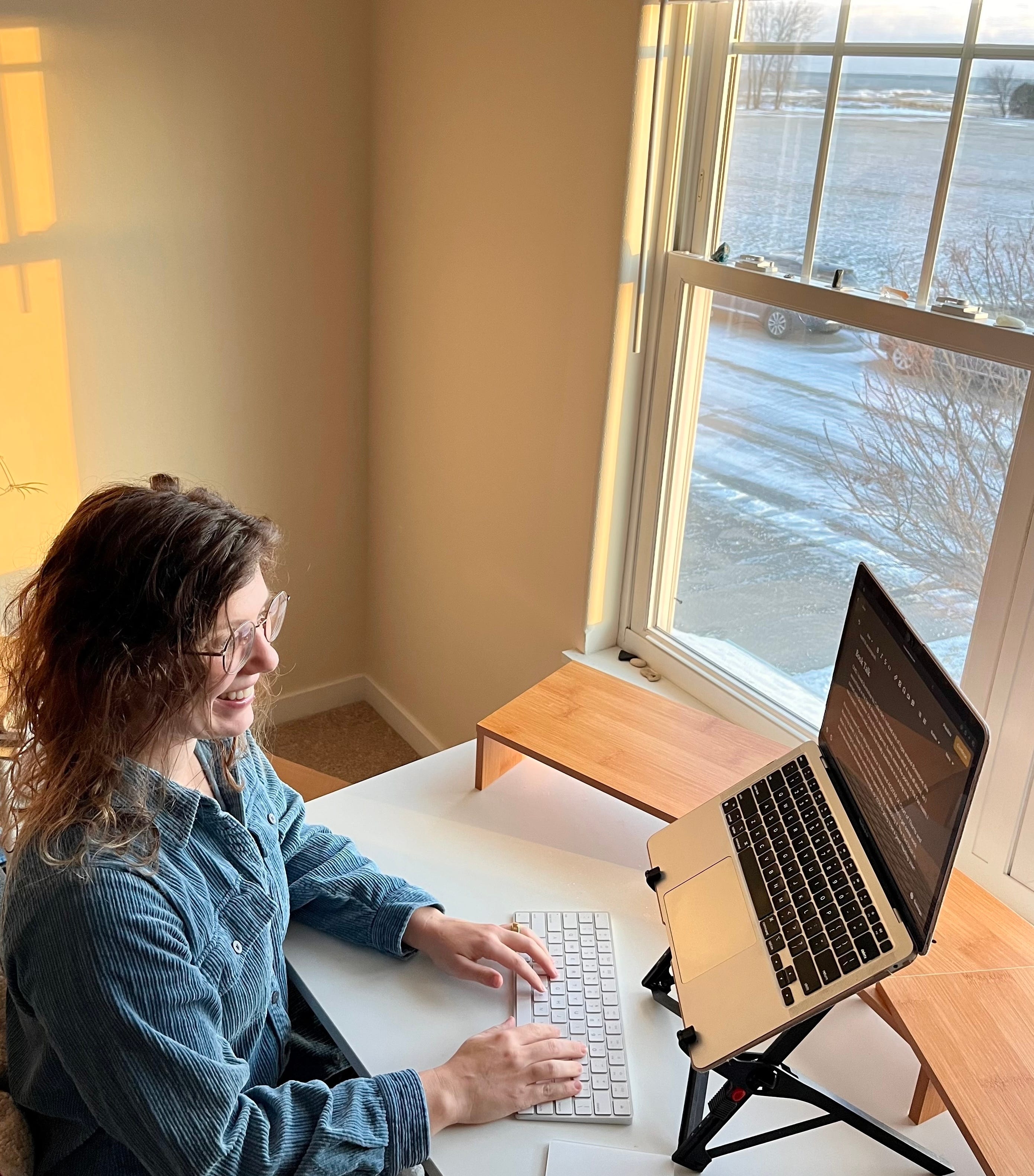
My plans haven’t changed, but my eyes are wide open, and I love that I have options.
Currently, I’m working on my query letter and synopsis. I’m participating in a publishing event with StoryStudio Chicago next month, where I’ll practice pitching my book to an agent. Wish me luck!
Also, I’m nearing the end of a massive revision of my manuscript. After that, I plan to focus on each POV’s character voice and arc. Then I want to go through it with a fine-tooth comb and read it aloud. It sounds like a lot, but it’s less than I think. I’ve already completed most of the heavy lifting. Because I have a lot of travel this spring, my goal is to finish and be ready to query by July. It’s hard to imagine summer when it’s blisteringly cold outside, but it’ll come sooner than I think!
Sending you warm, steamy wishes,
Liza
Okay all of this is fascinating. I feel like I didn’t know the difference between the types over the weekend when I saw you. So thank you for doing a post on it.